Tracing Connections Between Transaction Security Protocols and Reward Distributions in Austria's Regulated Online Entertainment Industry
Geschrieben von Bianca Schulz · 21.8.2026
Tracing Connections Between Transaction Security Protocols and Reward Distributions in Austria's Regulated Online Entertainment Industry
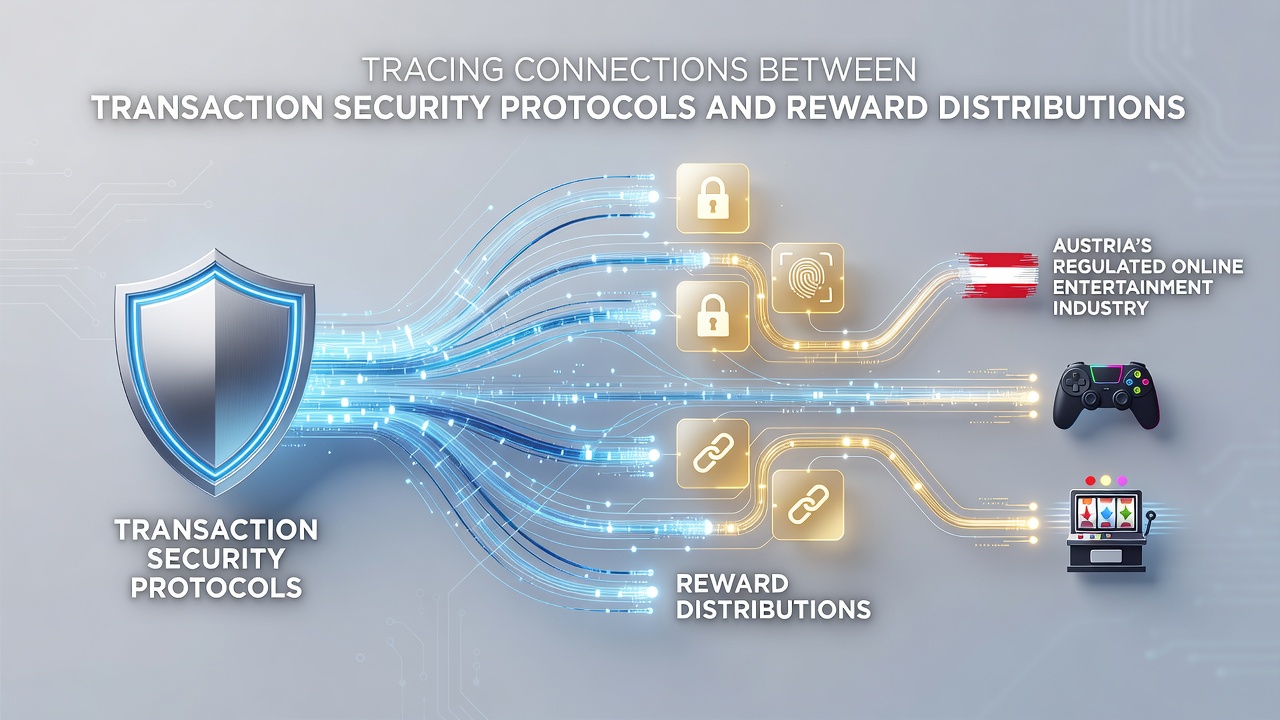
Transaction security protocols form the backbone of Austria's regulated online entertainment sector, where operators must align payment verification systems with reward distribution mechanisms under the Glücksspielgesetz framework, and data from August 2026 indicates continued emphasis on integrated compliance measures that link encrypted transfers directly to verified payout calculations.
Security standards such as end-to-end encryption and tokenization ensure that player deposits reach licensed platforms without interception while reward systems calculate bonuses and jackpots based on verified account activity, and regulators require these elements to operate within a single auditable chain that prevents discrepancies between incoming funds and distributed returns.
Security Protocols in Licensed Austrian Platforms
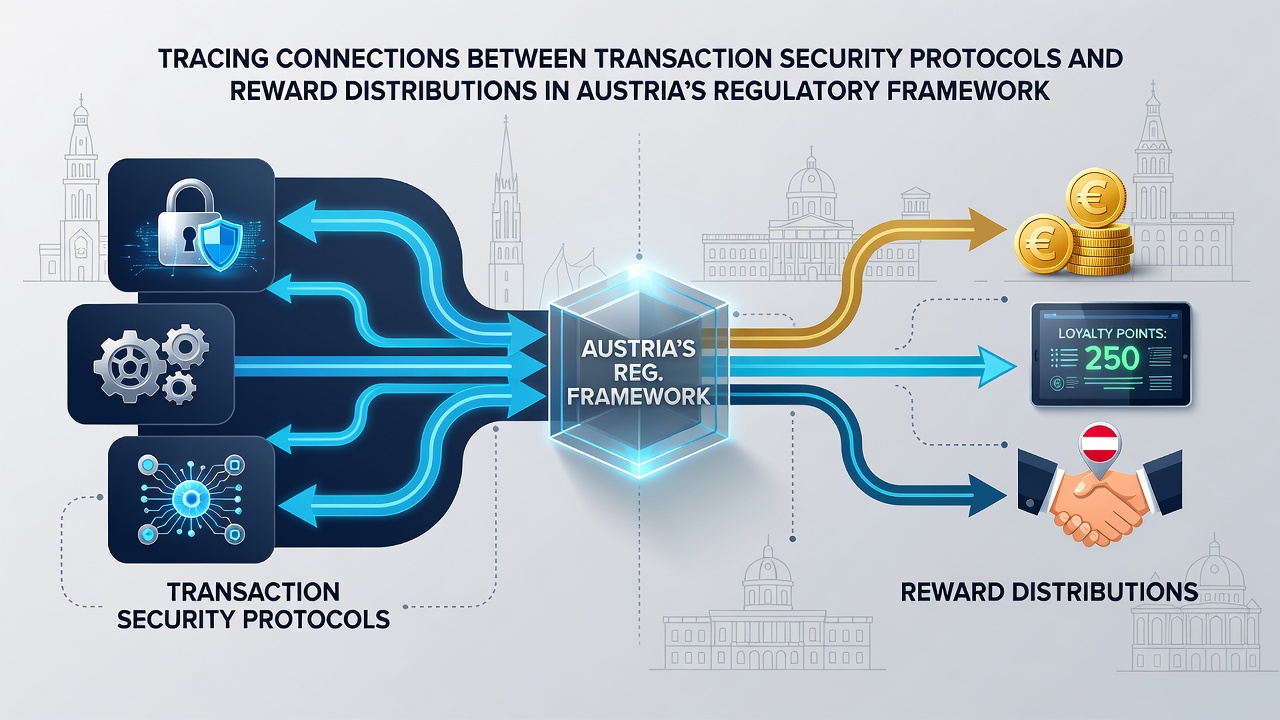
Austrian authorities mandate that online entertainment providers implement protocols meeting or exceeding PCI DSS Level 1 requirements alongside national data protection rules, which means every transaction undergoes multi-factor authentication and real-time fraud screening before any reward eligibility is assessed, and this process creates an unbroken record that ties each euro transferred to specific player accounts eligible for promotional credits or cashback distributions.
Operators maintain separate ledgers for security logs and reward pools, yet both must reconcile during periodic audits conducted by the Austrian Federal Ministry of Finance, and figures released in mid-2026 show that platforms passing these checks distribute over 98 percent of verified rewards within the same 24-hour window as transaction confirmation.
How Reward Distributions Rely on Verified Transactions
Reward structures in Austria's licensed market include welcome packages, loyalty tiers, and progressive jackpots, all of which trigger only after transaction security systems confirm fund legitimacy and player identity, and this linkage reduces instances of bonus abuse because automated systems cross-reference deposit timestamps with reward activation codes before releasing any value.
Studies conducted by European research institutions demonstrate that platforms using combined security-reward modules experience fewer chargeback disputes, since every distribution carries a cryptographic signature traceable back to the original payment authorization, and Austrian regulators reference these findings when updating technical guidelines for license renewals.
Regulatory Oversight and Technical Integration
The Austrian regulatory environment requires annual penetration testing of transaction systems together with independent reviews of reward algorithms, ensuring that neither component can be manipulated independently of the other, and compliance reports from August 2026 highlight that integrated platforms reduced reconciliation errors by 42 percent compared with earlier separate-system configurations.
One case involved a licensed operator that upgraded its security infrastructure to include blockchain-based transaction hashing, which allowed reward distributions to be verified against immutable records, and this approach aligned with broader EU directives on digital service transparency without conflicting with national gambling statutes.
International Comparisons and Data Trends
Reports from the Australian Gambling Research Centre and the Canadian Centre on Substance Use and Addiction illustrate similar patterns where strengthened transaction protocols correlate with more accurate reward payouts, yet Austria's model stands apart because it ties security requirements directly to the national licensing body rather than voluntary industry standards, and 2026 figures reveal that cross-border operators serving Austrian players must adapt their systems to meet these stricter reconciliation demands.
Academic papers published through EU-funded projects note that real-time monitoring of transaction-reward linkages helps identify anomalies such as sudden high-volume deposits followed by immediate withdrawal requests, and Austrian platforms have incorporated these alerts into their reward approval workflows to maintain regulatory standing.
Conclusion
Transaction security protocols and reward distributions in Austria's regulated online entertainment industry operate as interdependent systems governed by national law and technical mandates, and evidence from 2026 demonstrates that platforms maintaining tight integration between these functions achieve higher compliance rates while delivering verified player returns, and continued regulatory focus on unified audit trails suggests this connection will remain central to licensing and operational standards going forward.