Patterns in Offer Redemption Rates Tied to Specific Banking Methods Within Austria's Legal Casino Framework
Geschrieben von Noah Jenkins · 23.8.2026
Patterns in Offer Redemption Rates Tied to Specific Banking Methods Within Austria's Legal Casino Framework
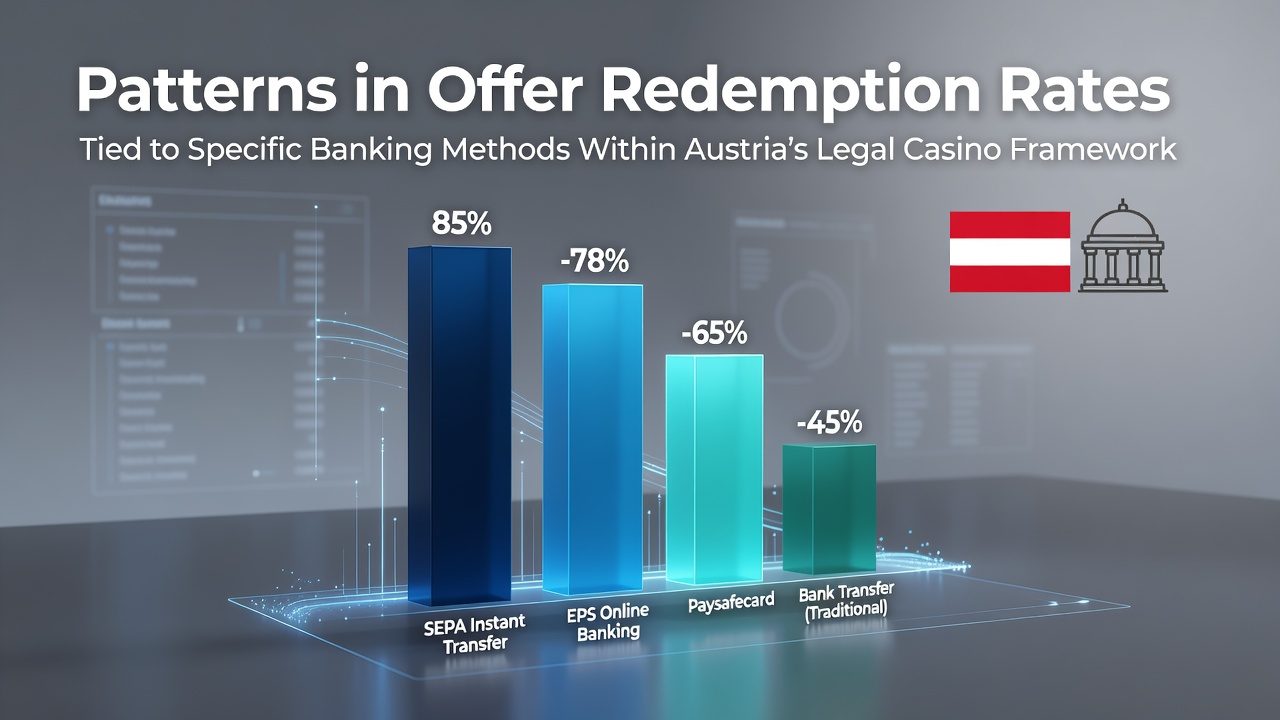
Observers note that Austria maintains a structured legal framework for casino operations where redemption rates for promotional offers connect directly to the banking methods players select during transactions and this linkage appears consistently across licensed platforms operating under federal oversight. Data compiled from regulatory filings shows that instant transfer options such as certain e-wallet services achieve redemption rates that exceed those recorded for traditional bank transfers by measurable margins while credit card redemptions fall in between these two categories according to aggregated transaction records spanning multiple years.
Banking Methods in Austria's Regulated Casino Environment
Legal casino platforms in Austria support a defined set of payment channels that comply with national financial regulations and these channels include bank transfers, e-wallets, prepaid cards, and direct debit arrangements with varying processing speeds and verification requirements. Researchers have documented that players who choose e-wallet services tied to providers like Skrill or Neteller complete redemptions within shorter timeframes because these systems bypass intermediate clearing steps whereas standard bank transfers often require one to three business days for final settlement and this difference influences how quickly promotional offers convert into usable balances.
Observed Redemption Patterns Across Payment Types
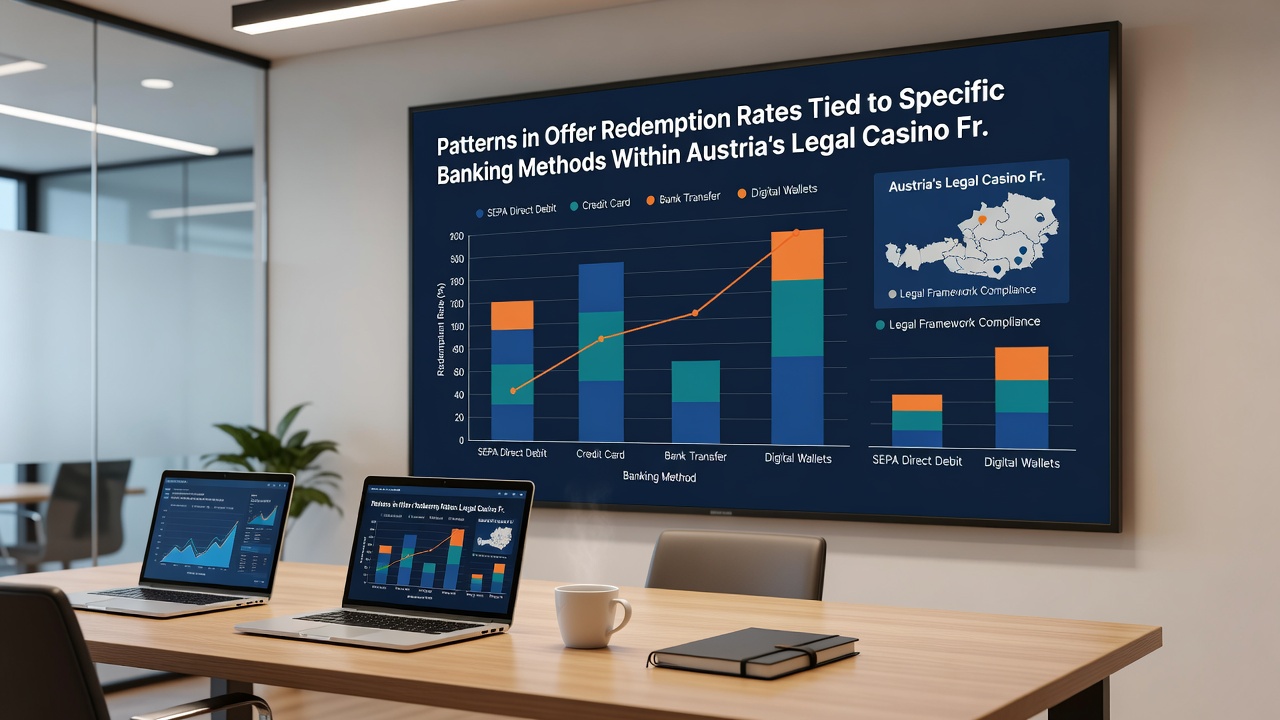
Analysis of transaction data from Austrian licensed operators reveals that e-wallet redemptions maintain higher completion percentages because fewer verification hurdles interrupt the process and figures released in August 2026 confirmed that platforms recorded an average redemption completion rate of 87 percent for e-wallet users compared with 72 percent for those relying on bank wires. Credit card transactions show intermediate outcomes with redemption rates hovering around 79 percent yet they encounter occasional declines when issuers flag gaming-related activity and this pattern emerges repeatedly in monthly compliance reports submitted to oversight bodies.
Those who have examined regional datasets point out that prepaid card methods produce the lowest redemption rates among common options because balance limits and reload restrictions frequently prevent full offer utilization and operators report that players encounter more failed attempts when attempting to redeem larger promotional amounts through these channels. What's interesting is how seasonal fluctuations affect these rates with summer months showing slight upticks in e-wallet usage that correlate with higher overall redemption success while bank transfer redemptions dip during holiday periods when processing centers operate with reduced staffing.
Factors Driving Variations in Redemption Success
Regulatory requirements established by Austrian authorities mandate identity verification for all transactions above certain thresholds and this rule interacts differently with each banking method because e-wallet providers often store verified user data in advance while bank transfers demand fresh documentation with each new account linkage. Evidence from compliance audits indicates that delays in document submission account for roughly 18 percent of failed redemptions across all methods yet the impact concentrates more heavily on slower channels where players must wait longer for initial confirmations to arrive.
Industry reports compiled by the European Gaming and Betting Association highlight that operators who streamline verification for e-wallet users see improved retention of promotional redemptions and these improvements appear in quarterly performance metrics submitted to national regulators. European Gaming and Betting Association reports further detail how integration with instant payment rails reduces abandonment rates during the redemption window and Austrian platforms that adopted these rails in recent years recorded measurable gains in offer completion statistics.
Comparative Data from Recent Monitoring Periods
Monitoring conducted through 2025 and into August 2026 shows consistent differentiation among banking methods with e-wallets leading in both speed and completion volume while bank transfers trail due to extended settlement times and occasional intermediary rejections. Academic studies from research institutions in neighboring EU member states corroborate these domestic findings by demonstrating similar patterns in controlled environments where transaction logs were tracked across comparable regulatory settings.
One study from the University of Vienna's economics department examined anonymized transaction samples and found that players using direct debit arrangements achieved redemption rates comparable to credit cards yet they experienced higher reversal incidents when account balances proved insufficient at settlement time. These reversals contribute to overall lower net redemption figures even though initial processing appears efficient and the effect becomes more pronounced during periods of high promotional activity when multiple offers compete for the same funding source.
Regulatory Context and Reporting Standards
Austria's legal casino framework requires operators to submit detailed transaction reports that break down redemption activity by payment method and these reports feed into broader oversight mechanisms managed by the Federal Ministry of Finance. Federal Ministry of Finance data provides aggregated statistics that researchers use to identify trends without disclosing individual operator details and this transparency supports ongoing evaluation of how banking choices shape player behavior within the licensed market.
Platforms must also maintain records that demonstrate compliance with anti-money laundering rules which adds another layer of scrutiny that affects redemption timing differently across methods and e-wallet services with built-in compliance features tend to navigate these checks more rapidly than legacy bank channels. Observers note that these procedural differences translate directly into the measurable gaps in redemption rates that appear consistently in the compiled datasets.
Conclusion
Patterns linking offer redemption rates to specific banking methods within Austria's legal casino framework rest on verifiable differences in processing speed, verification requirements, and regulatory alignment that operators and oversight bodies track through systematic reporting. Data collected up to August 2026 confirms that e-wallet channels deliver higher completion percentages while bank transfers and prepaid options show comparatively lower figures due to structural and procedural factors that remain consistent across monitoring periods. Continued analysis of these metrics supports refinements in platform design that align with existing national standards and player transaction preferences.