Lumbee Tribal Council Advances Casino Initiative Through Gaming Ordinance Approval
Geschrieben von Noah Jenkins · 19.10.2026

Lumbee Tribal Council Advances Casino Initiative Through Gaming Ordinance Approval
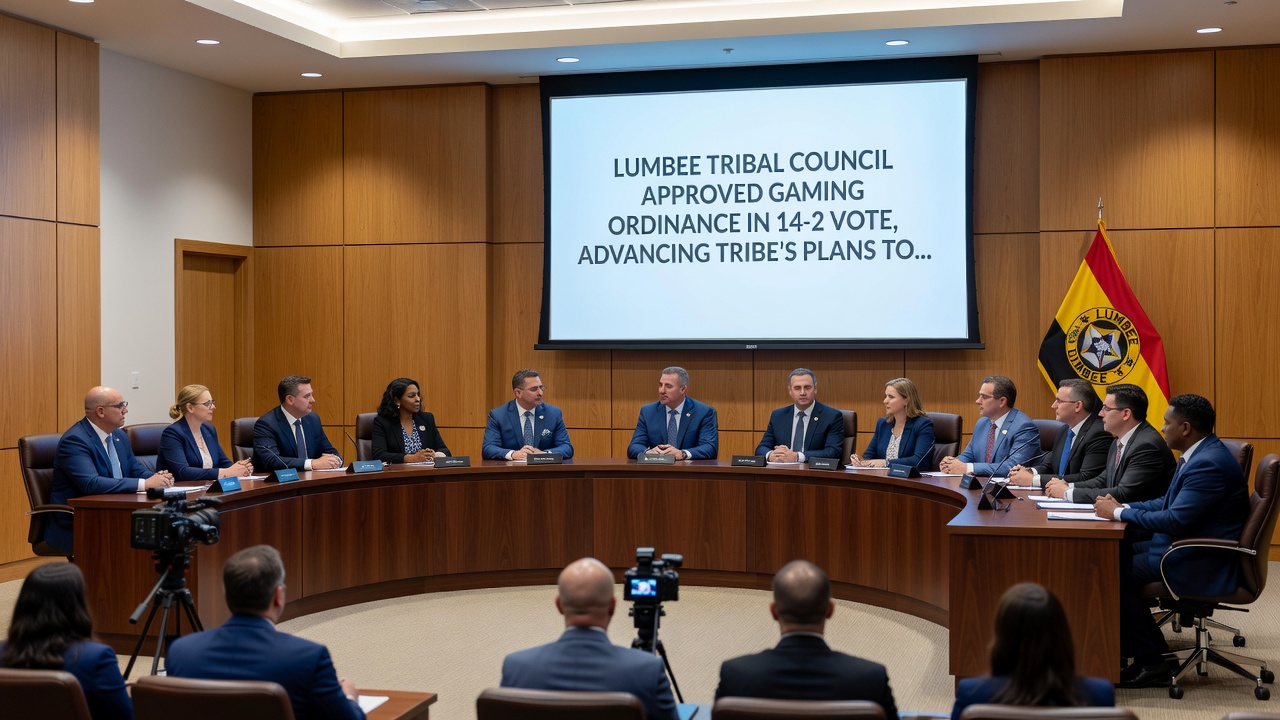
The Lumbee Tribal Council approved a gaming ordinance in a 14-2 vote, and this action propels the tribe's casino development plans ahead while setting the stage for a potential referendum among tribal members, and the move forms part of ongoing tribal gaming initiatives throughout the United States.
Observers note that the ordinance establishes regulatory frameworks necessary for casino operations, and it addresses licensing, oversight, and compliance measures that align with federal standards for tribal gaming. Those who've followed similar processes understand that such approvals often serve as foundational steps before tribes seek further approvals or conduct membership votes on project specifics.
Details of the Council Decision
The 14-2 tally reflects strong internal support within the council for advancing the project, and experts have observed that this level of consensus can streamline subsequent phases including negotiations with state and federal entities. Researchers discovered that tribes typically require these ordinances to demonstrate readiness for gaming activities under the Indian Gaming Regulatory Act, which governs such developments nationwide.
People often find that the ordinance covers key operational elements such as game types, facility management, and revenue allocation plans, and it moves the project from conceptual discussions into actionable territory. Data from industry reports indicates that similar approvals have preceded casino openings for other tribes, though each case follows its own timeline based on local conditions.
Pathway to a Referendum
This approval shifts focus toward a potential referendum, and tribal members would vote on whether to proceed with the casino project under the newly adopted rules. Those who've studied tribal governance know that referendums provide direct community input on major economic initiatives, and they can influence project scope or funding priorities.
The development aligns with broader tribal gaming efforts across the U.S., and government sources such as the U.S. Department of the Interior track how tribes use gaming revenues for community programs including education, health services, and infrastructure. Figures reveal that gaming has become a significant economic driver for many federally recognized tribes since the late 1980s.
Context Within National Tribal Gaming Landscape
Analysts note that the Lumbee effort contributes to a sector that generates substantial annual revenue, and industry organizations like the National Indian Gaming Association compile data showing hundreds of tribal gaming facilities operating in over 20 states. This particular project remains in early planning stages, and the ordinance vote represents one milestone among several required before construction could begin.
What's interesting is how individual tribal decisions intersect with federal oversight, and the National Indian Gaming Commission reviews ordinances to ensure they meet statutory requirements. Evidence suggests that tribes coordinate these steps carefully to avoid delays, and the Lumbee process now enters a phase where additional consultations may occur with state officials in North Carolina.
Next Phases and Considerations
Following the ordinance approval, the tribe may engage in compact negotiations or submit further documentation to federal agencies, and these actions determine the pace of progress toward a referendum. Observers note that timelines vary widely depending on legal reviews and community discussions, and some projects reach completion within a few years while others extend longer.
Research indicates that successful tribal gaming operations often incorporate extensive planning around economic impacts, employment opportunities, and regulatory compliance, and the Lumbee ordinance likely incorporates provisions for these areas. Those monitoring the sector point to similar cases where early council actions led to voter-approved projects that delivered measurable benefits to tribal communities.
Conclusion
The Lumbee Tribal Council's 14-2 approval of the gaming ordinance marks a clear advancement in the tribe's casino plans, and it positions the initiative for potential member input through a referendum while participating in the wider expansion of tribal gaming across the country. Additional steps remain before any facility becomes operational, and stakeholders continue to navigate the established regulatory pathways that govern these developments.