Decoding Interplay Between Payment Protocols and Promotion Lifecycles Across Austria's Licensed Gaming Operators
Geschrieben von Drew Braun · 7.9.2026
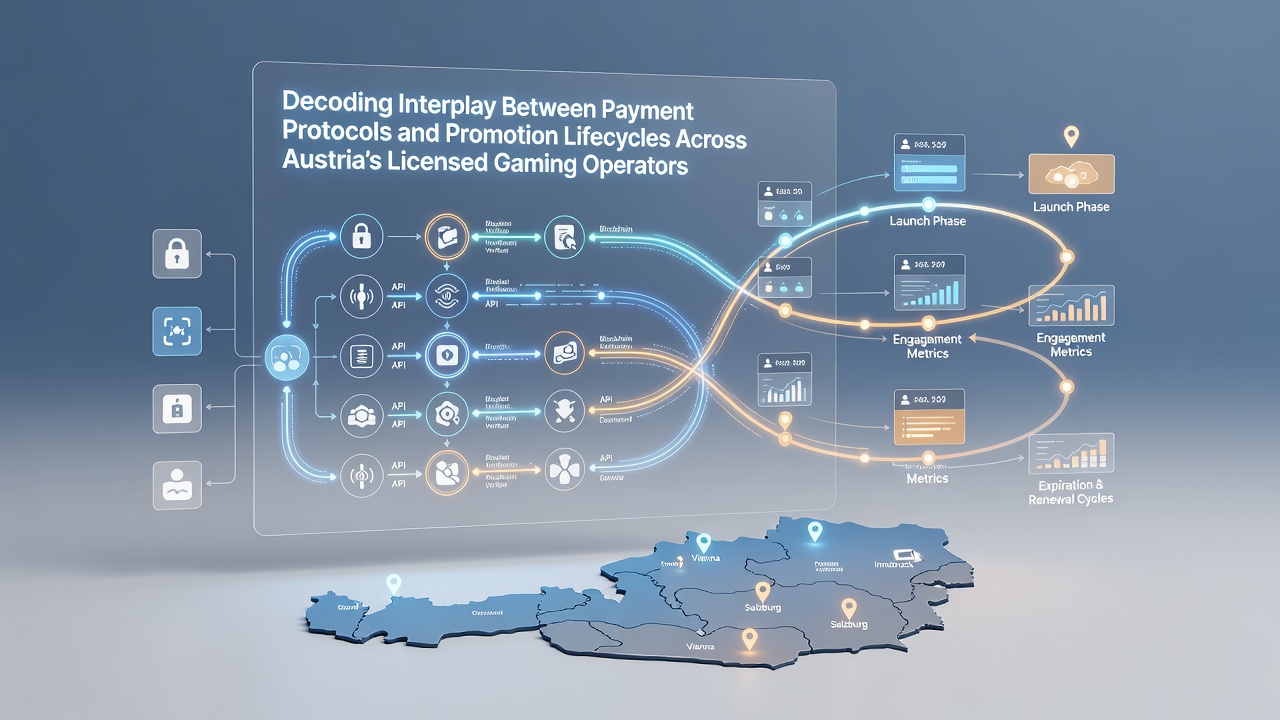
Decoding Interplay Between Payment Protocols and Promotion Lifecycles Across Austria's Licensed Gaming Operators
Austria's licensed gaming operators manage complex systems where payment protocols directly shape how promotions activate, progress, and expire. These interactions stem from regulatory requirements under the Glücksspielgesetz and technical constraints tied to transaction processing speeds, verification layers, and settlement timelines. Data from the Austrian Federal Ministry of Finance shows that operators must align bonus lifecycles with payment method capabilities to maintain compliance while meeting player expectations for timely reward access.
Payment protocols vary widely across licensed platforms, ranging from traditional bank transfers with multi-day clearing periods to instant e-wallet solutions and card-based systems that complete authorizations in seconds. Each method carries distinct implications for promotion structures, because wagering requirements often begin only after funds clear and bonuses credit successfully. Observers note that slower protocols force operators to extend eligibility windows or adjust contribution rates to prevent premature expiration of offers.
Core Payment Methods and Their Technical Foundations
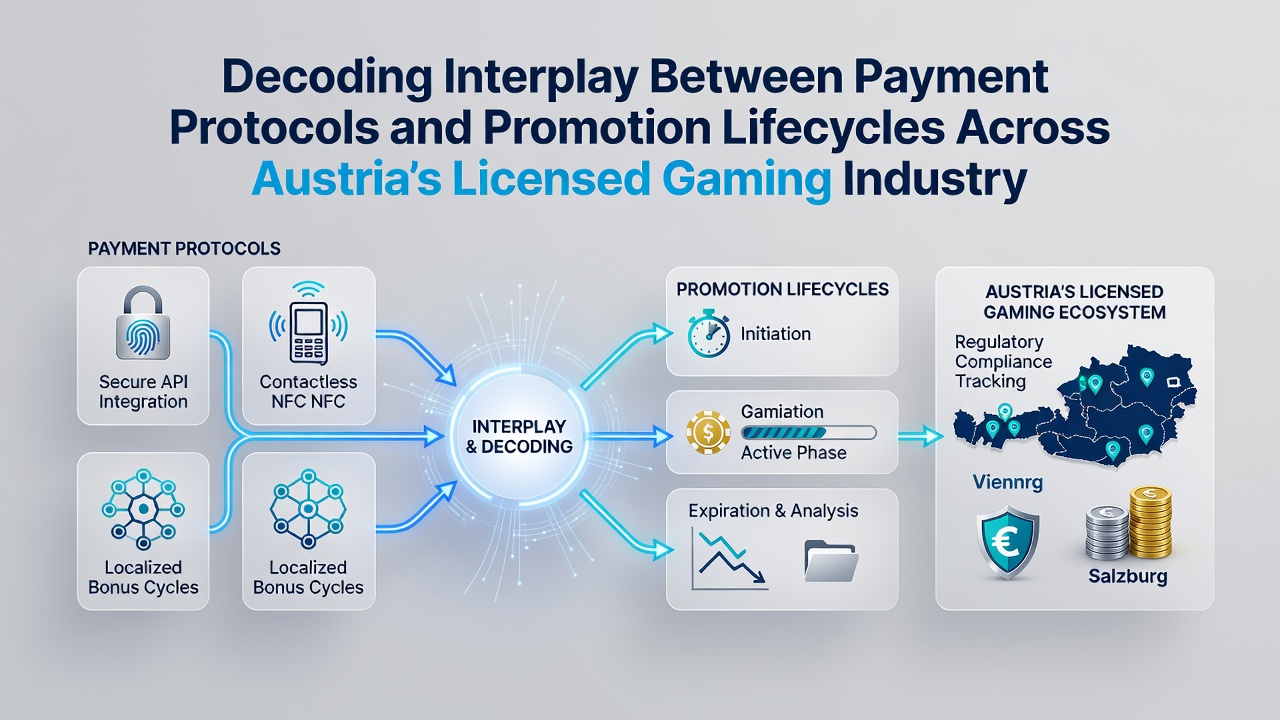
Licensed operators in Austria commonly support SEPA transfers, credit and debit cards, prepaid vouchers, and select e-wallets. SEPA transactions rely on standardized banking rails that prioritize security through batch processing and reconciliation steps, whereas card protocols use real-time authorization networks governed by PCI DSS standards. These differences influence promotion lifecycles because operators tie bonus release mechanics to confirmation of cleared funds, preventing scenarios where unverified deposits trigger premature reward distribution.
Researchers tracking transaction patterns across Austrian platforms report that e-wallet protocols often shorten the gap between deposit and bonus activation to under five minutes, allowing promotions with short validity periods to function without frequent player complaints about missed windows. In contrast, bank transfer users encounter extended lifecycles where promotions remain pending until settlement occurs, sometimes spanning 24 to 48 hours depending on the sending institution.
How Protocols Shape Promotion Activation and Duration
Promotion lifecycles encompass stages from eligibility verification through wagering completion and eventual expiry or payout. Payment protocol speed determines teh starting point of these stages, since most operators require cleared deposits before crediting bonuses. This creates measurable differences: instant methods enable immediate entry into wagering phases, while delayed methods extend overall offer duration to accommodate processing lags.
Studies conducted by the University of Vienna's gambling research group indicate that operators adjust bonus terms based on dominant payment usage among their player base. Platforms with high card transaction volumes tend to implement tighter expiry windows of seven to fourteen days, whereas those serving more bank transfer users extend timelines to twenty-one days or more to account for clearance delays. These adjustments reflect operational necessity rather than arbitrary policy choices.
Regulatory Compliance and Protocol Integration
Austrian licensing conditions mandate strict separation between player funds and operational accounts, which payment protocols must support through segregated wallets or escrow mechanisms. Operators integrate these requirements into promotion systems by programming bonus credits to activate only after protocol-level confirmations arrive, reducing risk of regulatory breaches. Updates scheduled for implementation in September 2026 will require enhanced real-time reporting of payment-to-bonus linkages, further tightening these connections across all licensed entities.
Evidence from industry reports compiled by the European Gaming and Betting Association highlights how protocol-level security features, such as tokenization in card systems or multi-factor authentication in e-wallets, feed directly into promotion fraud detection layers. When protocols flag unusual patterns, operators pause associated promotions until resolution, extending lifecycle durations for affected players while maintaining overall system integrity.
Observed Patterns in Offer Redemption and Settlement
Transaction data across multiple Austrian operators reveals that players using instant protocols complete wagering requirements at higher rates within original promotion windows. This occurs because activation happens faster, leaving more calendar time for playthrough before expiry dates arrive. Slower protocols correlate with increased requests for extensions or bonus conversions, prompting operators to refine lifecycle parameters accordingly.
One analysis of redemption rates across 2025 transactions showed that e-wallet deposits paired with reload bonuses achieved full wagering completion in 68 percent of cases before deadlines, compared to 51 percent for SEPA-based entries. These figures emerge from aggregated operator reports submitted to regulatory bodies and demonstrate direct protocol influence on promotion outcomes without implying causation beyond timing mechanics.
Conclusion
The interplay between payment protocols and promotion lifecycles in Austria's licensed gaming sector rests on verifiable technical and regulatory linkages rather than isolated design choices. Operators continuously calibrate bonus parameters to match protocol characteristics while satisfying licensing conditions, producing observable differences in activation speed, validity periods, and completion rates. As new reporting standards approach in September 2026, these connections will likely grow more transparent through standardized data flows across the industry.